Click here for more info about the Ecstatic Dance Album
Apple Music, Spotify, and more


About the Album
The Five Rhythms: Ecstatic Dance 1979
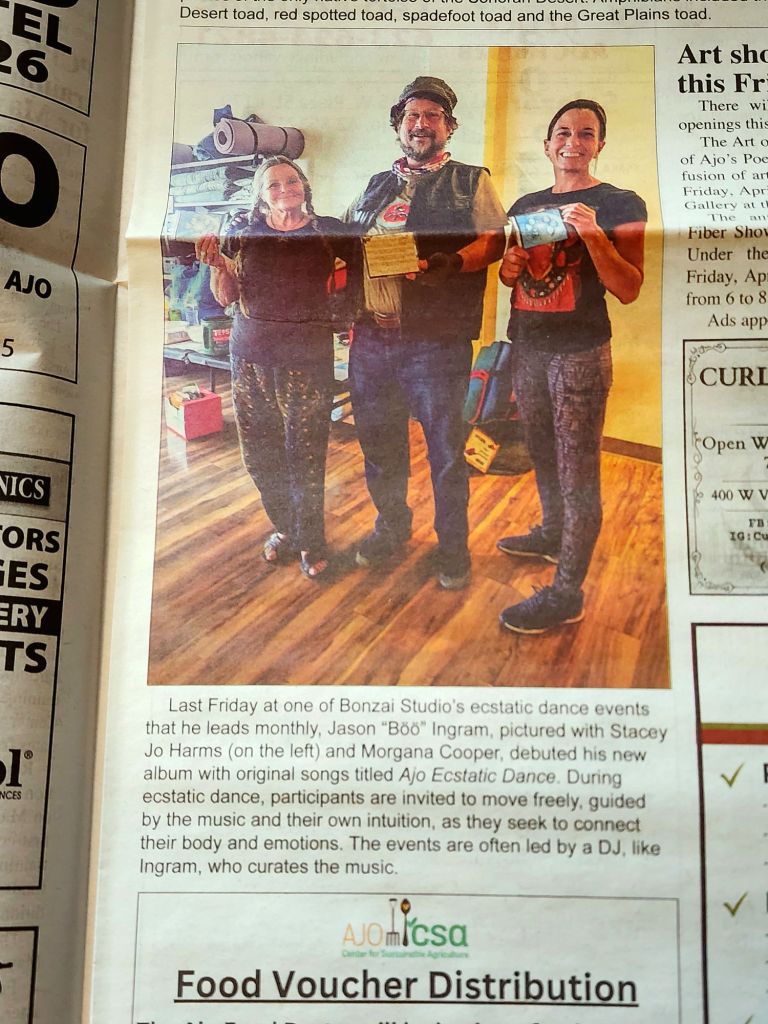
The first time I heard the term “Ecstatic Dance” was more than a decade ago, while working with a popular urban meditation center on the West Coast. The phrase immediately evoked a vision of wild, tribal, ethereal music that could inspire people to enter altered states and move in pure freedom. Yet in practice, I found the communities I encountered were surprisingly conventional, often closed to collaboration with outsiders, and rarely open to original or live music.
Ironically, years later, I became the facilitator of a local Ecstatic Dance group after their leader moved out of state. In addition to leading sessions and teaching Qigong, I began producing recordings specifically for Ecstatic Dance. My goal was to bring something new—provocative, challenging, and rooted in deeper musical traditions.
Early in 2025, through virtual meetings with Indian #1 bestselling author Yogesh Chabria (we connected as fellow teachers on the meditation platform Insight Timer), I was challenged and encouraged to return to music after an extended break. Chabria (based in Mumbai) also introduced me to some contemporary works from South Asia, and we discussed therapeutic movement practices such as Ecstatic Dance. These influences were essential in inspiring this unique project.
The Five Rhythms: Ecstatic Dance 1979 is a one-hour session structured after Gabrielle Roth’s Five Rhythms, honoring the roots of the global movement she began in the 1970s. The album draws from worldbeat pioneers like Fela Kuti, early works by David Byrne and Peter Gabriel, the ambient soundscapes of Brian Eno, French space rock, and German electronica often referred to as Krautrock. It also quotes from Indian classical, jazz, avant-garde, and minimalist traditions.
To create a visceral sense of time and place, I worked within the palette of sounds available before 1980, balancing the earthly with the otherworldly. While digital tools and loops appear, much of the album is grounded in live performance. I recorded strings (mandolin, banjo, violin, guitar, six-string bass, tamboura), winds (flute, clarinet, oboe, saxophone, whistle, recorder, melodica), and percussion—sometimes in surprising ways, and some unique sounds like bowing the box tamboura or emulating snake-charming calls with an oboe. Alongside these, listeners will hear Mellotron textures, drones, industrial soundscapes, and even a studio cat “talking” after a saxophone session.
Musically, the album is designed to expand movement possibilities. Rhythms range from simple to complex, weaving odd meters—5, 7, 9, 11, 13, even 15/16—into layered polyrhythms that feel familiar yet destabilizing. Modes, altered scales, bitonality, and chromatic passages further open the field. Tempos shift and evolve, echoing the natural flow of a traditional Ecstatic Dance session.
A key feature of the project is its tuning: the entire mix is rendered in Pythagorean tuning at A=432hz, a frequency often associated with healing and resonance. Nearly all of the thirty interwoven movements are centered around a drone close to D (near C#), a tonal concept familiar in Indian classical music. Listeners with perfect pitch may perceive this as “flat,” but the effect is intended to deepen the meditative and energetic quality of the work.
This album is a tribute to the origins of Ecstatic Dance, while also pushing beyond the boundaries of what the movement has often become. It is meant to provoke, to challenge, and to inspire both newcomers and experienced movers alike. For me, it is also a return to the transcendent sounds of underground 1970s records that first transported me to altered states without substances—and an offering to anyone seeking freedom, empowerment, and healing through sound and movement.
The Five Rhythms: Ecstatic Dance 1979 is now available on Apple Music, Spotify, YouTube Music, Amazon Music, and more. A pre-release mix in Western tuning is also available on the Insight Timer meditation app.

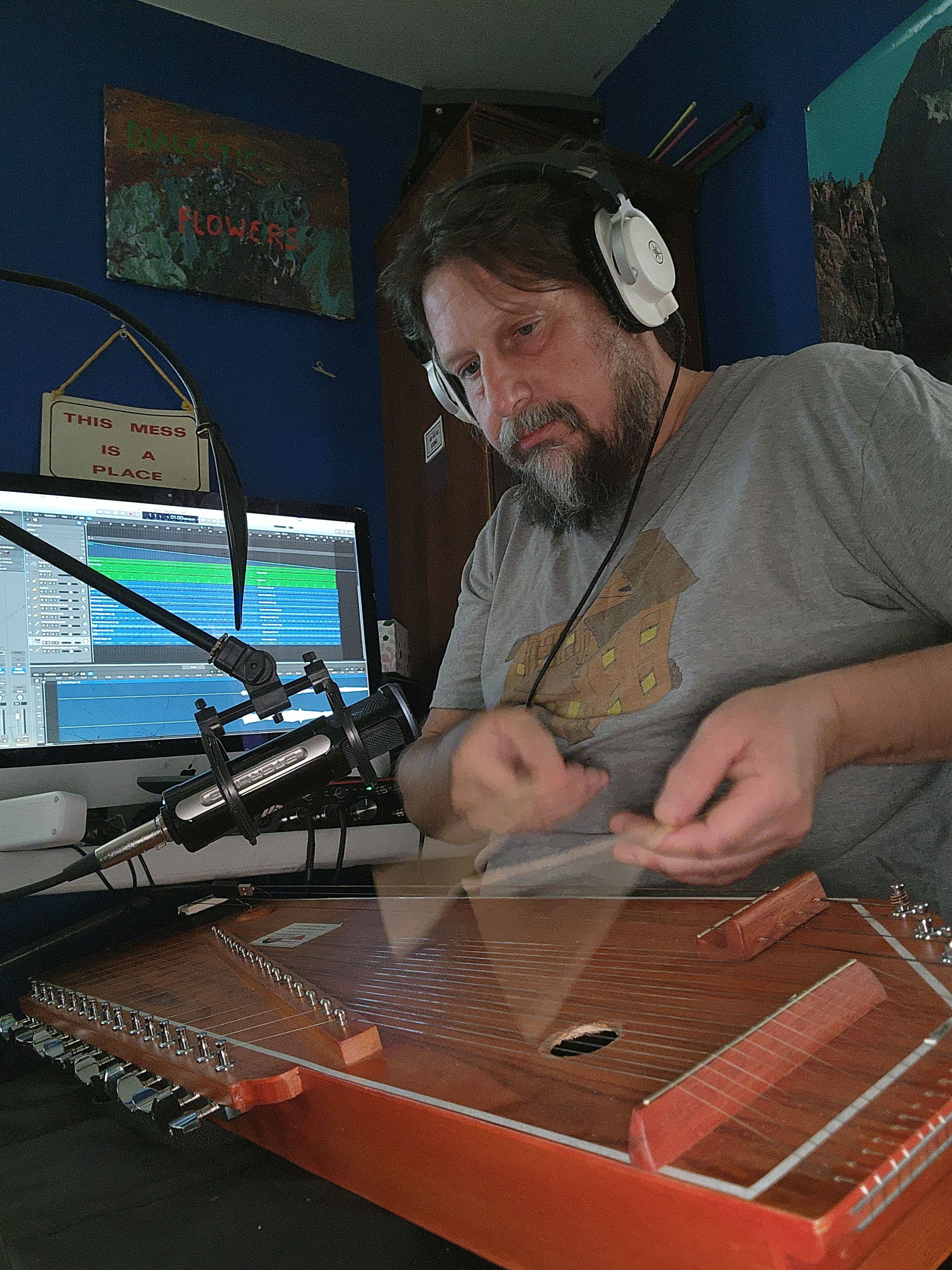
Jason T Ingram
Ajo, Arizona
Specific track listing for “The Five Rhythms: Ecstatic Dance 1979” by Jason T. Ingram and Dialectic Flowers
TRACK ONE 12:11
Flow: Lazarus Awaken
Flow: Remembrance
Flow: Sunrise Stomp
Flow: Lamentations
TRACK TWO 12:27
Staccato: Viva Kobia
Staccato: Temple Warriors
Staccato: Red Entrantress En Bloc
Staccato: Romp Of The Nine Magi
Staccato: Hitting Birth
TRACK THREE 12:06
Chaos: The Outer Temple
Chaos: Depersonalization
Chaos: Pilgrim Progression
Chaos: Martian Glitch Rave
Chaos: Celestial Zombie Clowns
Chaos: The Cosmic Hacker/Walnut Groove
Chaos: Immaculate Inception
TRACK FOUR 12:11
Lyrical: Can Askew
Lyrical: I Shall Not Lack
Lyrical: Monkey Brain
Lyrical: The Wild Rumpus
Lyrical: Fifteen Seers In The Cave
Lyrical: Seven Magick Maidens/Wizard Duel
Lyrical: The Inner Temple
TRACK FIVE 12:10
Stillness: Psychic Jazz/Buddy The Cat Says Hello To The Saxophone
Stillness: Moonrise Celebration
Stillness: The Final Hinderance
Stillness: The Holy Of Holies
Stillness: Last Trance
Total running time: 1:10:06
This original composition consists of 28 pieces of seamless music for dance and meditative altered states (track listing posted elsewhere). A global journey taking the listener around the world, and other worlds (special edition offered exclusively first to Insight Timer users before it was published on online stores and other streaming services). The pieces are categorized in five twelve minute sections: Flowing, Staccato, Chaos, Lyrical (whimsical) and Stillness; and in addition, this music was created as a tribute not only to the worldwide Ecstatic Dance movement, but also to various kinds of indie and WorldBeat music from the 1970s.
FAQ:
Are there hard copies available?
Limited edition CDs are on sale at Bonzai Studio in Ajo, AZ – please check class schedule for hours of operation
This album contains recordings from the controversial glass armonica. Will it harm or kill me and my children?
Most definitely
This album was released in the spring of 2025, why are the press releases dated later that summer?
Jason suffered a few medical emergencies and was mostly camping in the mountains, so mostly unavailable for media related work
Is this a dance megamix or a DJ set?
Although there are some familiar and unfamiliar royalty free loops used in parts of the recording, it is technically an original composition piece without anything previously published
Is there AI in this project?
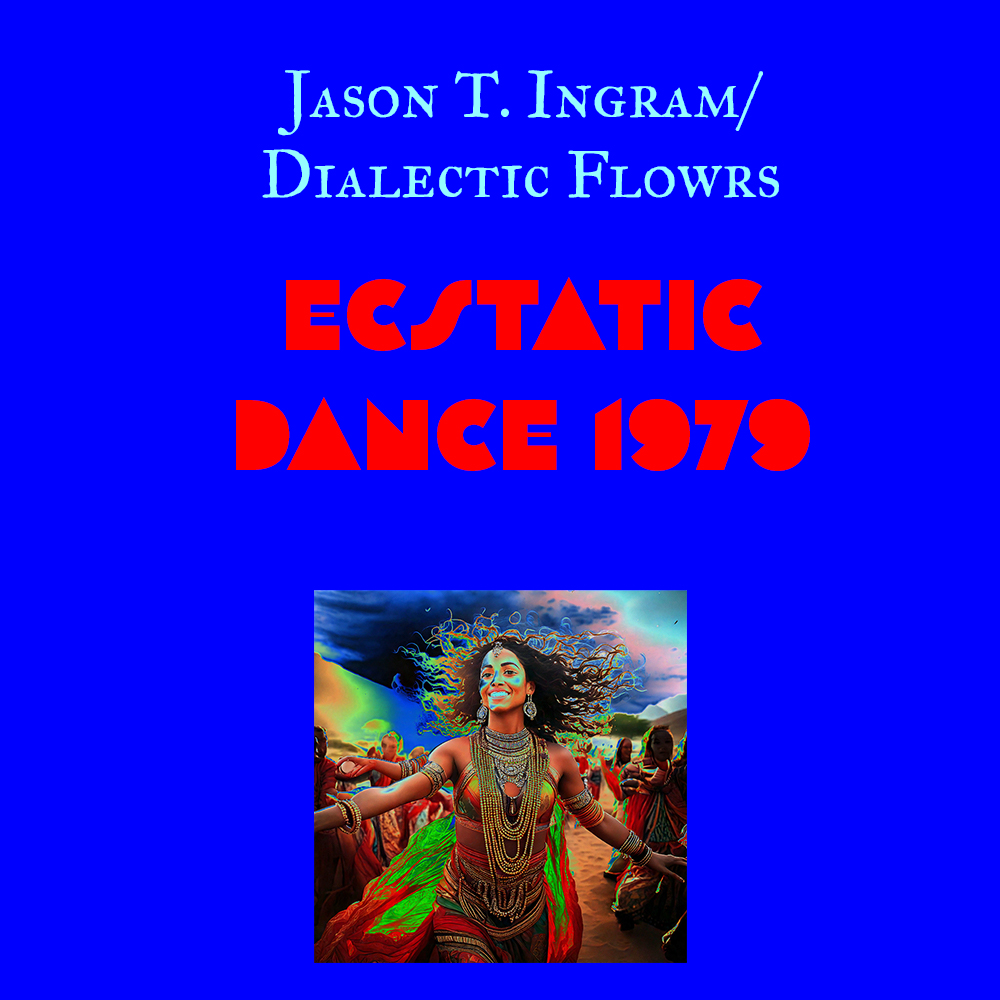
Some of the visual album graphics began as AI generated images in addition to some visuals in some social media promotional materials, otherwise it’s all human made content, with the exception of some older technology used with some “virtual drummer” features in Logic Pro on occasion throughout the album which some might consider to be a form of machine learning
Can I modify or use any of this material for publishing?
With written consent if not for profit, otherwise negotiable if previous arrangements are agreed upon
Can I play parts or use the entire album for Ecstatic Dance events?
That’s the main purpose of this project, we just ask that participants are informed at the event, and/or links posted on web resources for the events to help promote our cause, in addition, we would like to promote your events so please contact us if using our recordings so we can trade promotional resources
Will there be more recordings like this?
Plans are underway for more era-related dance albums including 1960s, 1990s, and more
 Dialectic Flowers